Transforming Your Home for Multigenerational Living and Support
The traditional American dream of the nuclear family living in a secluded suburban home is shifting. Today, more families are rediscovering the profound benefits of multigenerational living. Whether it is a young couple moving back in with parents to save for a future, or adult children welcoming aging parents into their own homes to ensure safety and connection, the “big house” is becoming a hub for collective care.
Transforming a standard residence into a space that supports toddlers, teenagers, and seniors simultaneously requires more than just extra sets of keys. It demands a strategic overhaul of physical space, legal structures, and medical logistics. When done correctly, this transition fosters deep emotional bonds and financial stability. This guide provides a comprehensive roadmap for families ready to embark on the journey of creating a truly inclusive, supportive, and functional multigenerational home.
Strategic Foundations: Assessing the Right Property
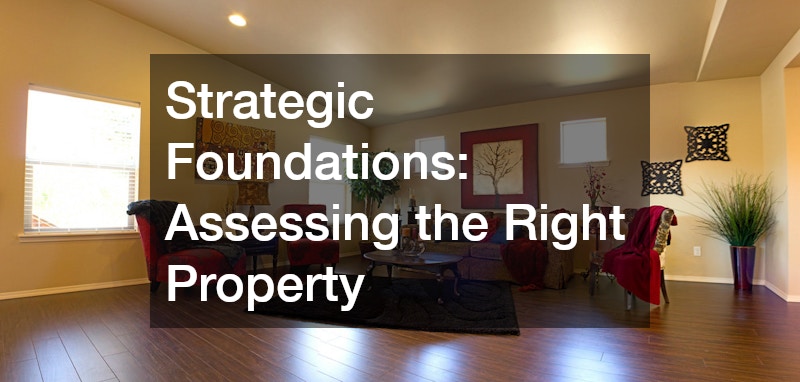
The journey often begins with a critical look at your current real estate holdings. Not every house is suited for multigenerational living. If your current home features narrow hallways, steep staircases, or a lack of ground-floor bathrooms, the cost of renovation might outweigh the benefit. In these instances, families often look toward a specialized real estate agency to find a property that features a “mother-in-law” suite or a flexible floor plan.
When you are in the process of house buying for a larger family unit, you must look past the aesthetic finishes and focus on the “bones” of the property. Look for wide entryways, open-concept living areas that allow for easy mobility, and separate entrances that provide privacy for different branches of the family.
Actionable Tips for Property Selection:
-
Prioritize single-story layouts or homes with a primary bedroom on the main floor.
-
Evaluate the outdoor space for level entry points; avoid homes with significant “stair-only” access.
-
Check local zoning laws to see if detached accessory dwelling units (ADUs) are permitted on the lot.
-
Consider the proximity to essential services like pharmacies and specialized clinics.
Designing for Accessibility and Future Needs
Once the right property is secured, the focus shifts to “universal design.” This philosophy ensures that the environment is usable by all people, to the greatest extent possible, without the need for adaptation or specialized design later. It is about making the home invisible in its support—where a ramp looks like a beautiful path and a grab bar looks like a high-end towel rack.
Because aging and health are unpredictable, it is wise to consult with senior living advisors during the design phase. These professionals understand the progression of various conditions and can help you anticipate needs you haven’t considered yet. Integrating features that support disability living services, such as reinforced walls for future lift installations or smart lighting for those with visual impairments, ensures the home remains functional for decades.
Specific Modifications to Consider:
-
Lever-style Door Handles: Much easier for both children and those with arthritis to operate than round knobs.
-
Non-Slip Flooring: Replacing high-polish tile or shaggy carpet with textured vinyl or low-pile rugs.
-
Curbless Showers: Eliminating the “step-over” in the bathroom to prevent falls and allow wheelchair access.
-
Smart Home Integration: Voice-activated lights and thermostats provide autonomy for those with limited mobility.
Establishing High-Level Care at Home
For many families, the goal of multigenerational living is to provide a level of care that exceeds what is found in institutional settings. However, providing that care requires a professional infrastructure. If a family member has chronic medical needs, the home essentially becomes a micro-clinic. This requires a dedicated space for home health care professionals to work efficiently.
Part of this professionalization involves managing the logistical byproducts of medical treatment. If your loved one requires injections, wound care, or specialized feeding tubes, you must establish a protocol for medical waste disposal services. Maintaining a clean, safe environment is paramount to preventing secondary infections and keeping the entire household healthy.
Essential On-Site Medical Logistics:
-
Designate a “medical closet” to keep supplies organized, locked, and out of reach of children.
-
Ensure the home has a backup power source (like a generator) for any life-sustaining medical equipment.
-
Install high-speed internet specifically for telehealth appointments to ensure a stable connection with doctors.
-
Create a simplified “daily log” station where different caregivers can hand off information seamlessly.
Navigating the Legal and Advocacy Landscape
Shared living often means shared finances and complex legal overlaps. When multiple generations invest in a single property, the “who owns what” can become blurred. To prevent future conflict and protect the inheritance of all parties, it is vital to sit down with trust and will attorneys. They can help draft occupancy agreements, update estate plans, and ensure that the home’s title reflects the contributions of all family members.
Beyond the financial legalities, there is the matter of medical advocacy. As healthcare needs become more complex, a legal nurse consultant can be an invaluable asset to the family. These experts bridge the gap between the medical and legal worlds, helping families understand if their loved one is receiving the appropriate standard of care and assisting with the interpretation of complex medical records for insurance or legal purposes.
Legal and Advocacy Checklist:
-
Update all Durable Power of Attorney documents for both finance and healthcare.
-
Create a “Family Operating Agreement” that outlines how utility bills, maintenance, and taxes are split.
-
Review long-term care insurance policies to see if they cover in-home modifications or professional assistance.
-
Set up a formal trust to manage the property if it is intended to stay in the family for several generations.
Balancing Professional Support and Family Respite
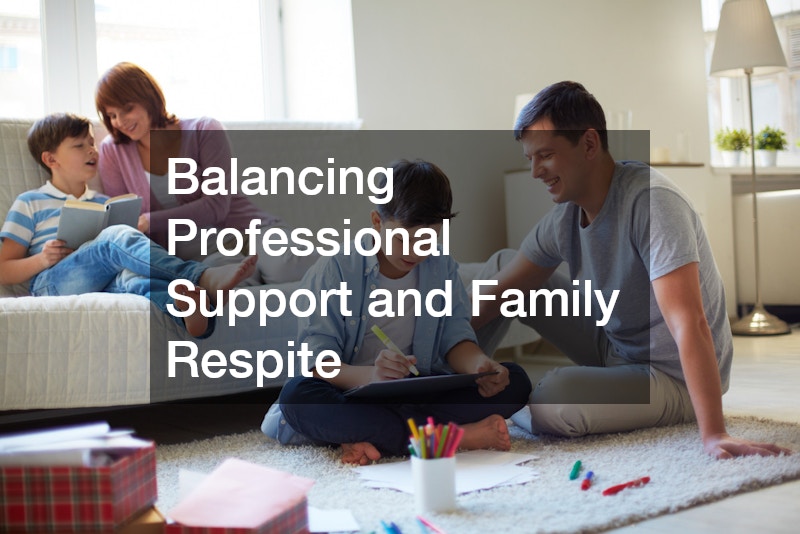
The most common pitfall of multigenerational living is caregiver burnout. Even with the best intentions, the “Sandwich Generation”—those caring for both children and parents—can find themselves overwhelmed. This is where a companion care service becomes essential. Unlike clinical care, these professionals focus on socialization, light meal prep, and basic assistance, allowing family members to step back and simply be a daughter, son, or spouse again.
However, it is also important to remain realistic about the limits of home care. There may come a time when the medical or cognitive needs of a family member exceed what can be safely managed in a residential setting. Familiarizing yourself with local assisted living facilities before a crisis occurs allows for a smoother transition if a higher level of professional supervision becomes necessary.
Strategies for Sustainable Caregiving:
-
Schedule “Off-Duty” Time: Treat caregiving like a job with a start and end time, even if you live in the same house.
-
Involve the Whole Family: Even young children can help with small tasks, fostering a sense of contribution.
-
Utilize Adult Day Centers: These provide the senior with social interaction outside the home and give the primary caregiver a break.
-
Mental Health Support: Join a local or online support group for multigenerational households to share resources and vent frustrations.
Financial Sustainability and Long-Term Planning
The financial move to a multigenerational household is often a net positive, but the initial “buy-in” can be steep. Between the costs associated with house buying and the price of high-end renovations, the upfront investment is significant. Families should look at this as a long-term play, often saving tens of thousands of dollars per year compared to the cost of private-pay institutional care.
To ensure the model is sustainable, revisit your plan every year. Consult again with senior living advisors to see if the current setup still meets the aging family member’s needs. Health is dynamic; a home that worked perfectly for a mobile 75-year-old may need further adjustments for an 85-year-old with different challenges. Constant communication and financial transparency are the glues that hold these arrangements together.
Actionable Financial Tips:
-
Look for local tax credits for “Universal Design” modifications.
-
Explore “shared equity” agreements if parents are selling their previous home to fund an addition to yours.
-
Keep detailed records of all home improvements, as some medical-related modifications may be tax-deductible.
-
Consider how the presence of professional disability living services in the home might impact your homeowners’ insurance premiums.
Maintaining Privacy and Autonomy for All
Perhaps the biggest challenge in a shared home is the loss of “my space.” For multigenerational living to succeed, every individual needs a place where they feel in control. For a senior, this might be a kitchenette where they can make their own tea. For a teenager, it might be a soundproofed basement area.
Design Tips for Privacy:
-
Acoustic Privacy: Use extra insulation in the walls of shared bedrooms to prevent noise transfer.
-
Separate Zones: If possible, create separate living rooms so that different generations aren’t forced to watch the same television programs.
-
Outdoor Access: Give each generation its own porch, balcony, or patio area.
-
Clear Boundaries: Establish “knock-before-entering” rules that apply to everyone, regardless of age.
Building a home that supports everyone is an act of love and a masterpiece of planning. By combining the right physical environment with professional support and legal clarity, you create more than just a house. You create a legacy of care that teaches younger generations the value of family and provides older generations with the dignity and connection they deserve.
Enhancing Emotional Well-being Through Shared Activities
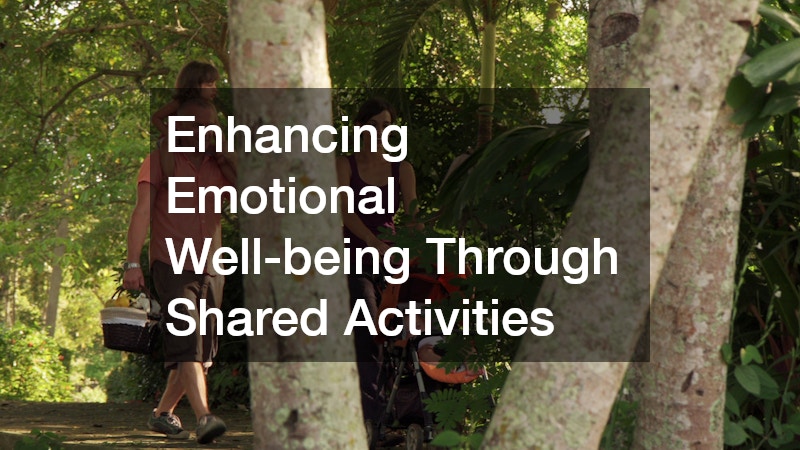
While the physical and legal structures of a multigenerational home provide the “bones” of the arrangement, the emotional connection between residents is the heart that keeps it beating. Transitioning into a shared living space can be an adjustment for everyone involved. To ensure that the household feels like a home and not just a care facility, families must intentionally design opportunities for meaningful interaction that transcend daily chores or medical routines.
Creating a “Social Hub” within the home—such as a large kitchen island, a sunroom, or a dedicated craft area—encourages spontaneous conversation. For many families, this is where a companion care service can play a pivotal role. These professionals can facilitate activities that bridge the age gap, such as organizing family photo albums, playing board games that sharpen cognitive skills, or helping a senior share family recipes with grandchildren. These moments of joy are the best defense against the isolation that can sometimes occur when a family member is primarily confined to the home.
Tips for Fostering Connection:
-
Legacy Projects: Start a weekly tradition where a senior shares a story from their youth while a younger family member records it or types it into a digital journal.
-
Shared Gardening: Raised garden beds allow everyone, regardless of mobility, to participate in growing vegetables or flowers.
-
Educational Exchange: Encourage grandchildren to teach grandparents how to use new technology, while grandparents teach a traditional skill like knitting or woodworking.
-
Regular “Family Summits”: Host a monthly meeting to discuss household logistics and emotional needs, ensuring everyone feels heard.
It is also important to recognize when a family member needs more social stimulation than a single household can provide. Even the most loving home can feel small over time. Engaging with senior living advisors can help families identify local community centers, senior clubs, or day programs that offer a change of scenery and peer-level interaction. Balancing the intimacy of the home with the vibrancy of the outside world ensures that every generation continues to grow and stay mentally engaged.
Transforming a home for multigenerational living is a journey of both the heart and the head. It requires us to look honestly at our future needs while celebrating the richness of our present family life. While the logistical hurdles—from floor plans to legal documents—can seem daunting, the rewards of waking up under the same roof as your loved ones are immeasurable.
By taking a proactive approach to design, seeking out expert advice, and maintaining open lines of communication, your family can navigate the complexities of shared living with grace. The result is a home that is not just a building, but a dynamic, supportive environment where every family member, from the youngest to the oldest, can truly thrive. This is the new blueprint for the modern family—one built on a foundation of mutual support, shared history, and a commitment to caring for one another through every stage of life.

Related Posts

How to Handle Damage to Your Family’s Home With Efficiency

Navigating Pet Care